 Ages 6 to 59
Guides
Language
EnglishCurrency
US dollar · $GetYourGuide shows prices in the currency you choose.
Guide · First snorkel
How to snorkel for beginners: your first time in the blue
How to snorkel for beginners comes down to a few habits: float, breathe slowly, look down and let the gear do the work. Here is how to learn them at Cape Maeda, with the advice Okinawa's police and tourism bureau give every first-timer.
Check availabilityfrom $44 · cancel for free
Editorial team, bluecaveokinawasnorkeling.comUpdated October 25, 2026about 6 min to read21 sources
Quick answer
- 01The kit
- Mask, snorkel, fins and a life jacket, as Okinawa's police ask.1
- 02Float, do not swim
- The police advise snorkeling floating on the surface.1
- 03Life jacket
- It keeps you up, eases breathing and saves strength.2
- 04Never alone
- Go with others and keep sight of each other.3
- 05Children
- This site's private tour takes ages 6 to 59.
Snorkeling is easy, if you float
Snorkeling looks like swimming, but the trick is that you hardly swim at all. Okinawa's prefectural police ask snorkelers to wear a set of 4, a mask, a snorkel, fins and a life jacket, and to snorkel floating on the surface.1 With that kit on, the sea holds you up and your only job is to look down and breathe.
The police also say why it goes wrong. Snorkeling is an easy activity, they write, but misusing the snorkel, for example by swallowing seawater, causes many accidents among residents and tourists alike.4 A mouthful of water can turn into a moment of panic, and a few minutes of practice in shallow water make that far less likely.
A life jacket or a buoyant wetsuit is the beginner's best friend. The police say it keeps you afloat, makes breathing easier and saves your strength if something goes wrong.2 At Cape Maeda the facility asks every snorkeler to wear a life jacket or buoyancy belt in any case.5
Your first snorkel
From the car park to the reef
-
Before
Swimsuit on
Wear it under your clothes; bring a towel.
-
10 minutes early
Meet the guide
At the Cape Maeda car park.
-
Kit
Four pieces
Mask, snorkel, fins and a life jacket.1
-
In the shallows
Practice breathing
Float on the surface and breathe slowly.1
-
Out
Short and happy
Keep sessions short so you do not tire.6
Getting the mask and snorkel right
Start with the mask. Push your hair off your forehead, place the mask on your face without the strap and breathe in gently through your nose: if it stays on by itself, it fits. Then pull the strap over the crown of your head, not low on the back, and keep it snug rather than tight.
Next, the snorkel. Bite lightly on the mouthpiece and close your lips around it. Practice on dry land: slow, deep breaths in and out through your mouth only. Then put your face in shallow water and do the same. It feels strange for a minute, then it feels like nothing at all.
If water gets into the tube, do not lift your head and gasp. Breathe out sharply through the snorkel to clear it, then take the next breath slowly. If you swallow some, lift your head, stand or float on your back with the life jacket, cough it out and start again. That one skill, practiced calmly, is what the police warning is really about.4
The kit
What each piece of gear does
| Gear | What it does | On this site's tour |
|---|---|---|
| Mask | Lets you see underwater | Included |
| Snorkel | Lets you breathe face down | Full gear included |
| Fins | Slow, easy kicks | Included |
| Life jacket | Keeps you afloat | Included |
| Wetsuit | Warmth & some buoyancy | Included |
Gear as the police list it for snorkelers; the last column is from this site's tour listing.1
Gentle first trips
Private, small group or safety area
Ages 6 to 59 Ages 5 to 58
 Life jackets
Decision helper
Which first trip?
Start with the most nervous swimmer
Snorkeling is an easy marine activity, but through wrong use of the snorkel, such as swallowing seawater, water accidents happen often, among residents and tourists alike.
The first minutes in the water
Enter slowly, fins on at the water's edge or held until you are deep enough to float. When you enter from the shore, do not step on the coral, as the tourism bureau asks.11 Lie forward on the water, let the life jacket carry you and look down. Do not kick yet; just breathe.
When you move, kick from the hips with long, slow strokes and keep your fins under the surface. Your hands can rest by your sides. A calm, steady rhythm uses far less air than splashing, and it keeps the fish around you instead of chasing them off.
Keep the first session short. The tourism bureau advises limiting snorkeling to short sessions to avoid getting tired, knowing how to use your equipment, staying informed about the sea and never snorkeling when unwell or after alcohol.6 A half hour of calm floating teaches you more than an hour of struggling.
Checklist
Your first snorkel
01
Practice on land
- Mask on without the strap, then breathe in
- Slow breaths through the snorkel
- Agree hand signals with your buddy
02
In the water
- Life jacket on and fastened
- Short sessions, stop before you tire
- Do not stand on the coral
Price check
First trips for your family
Choose a trip and the number of people
People
Total from$84
per guest from $42
Check availabilityfree cancellationThe sum multiplies a listing's starting GetYourGuide price by the number you pick and converts it at today's European Central Bank rate; the exact total shows when you book.
Video
How to Snorkel: A Must Watch for First-Time Snorkelers
The video only loads from YouTube once you press play.
Family snorkeling in Okinawa
Family snorkeling in Okinawa starts with the age limits in each listing. This site's private tour takes guests from 6 to 59 years old. A small-group trip from Maeda takes ages 5 to 58 with ID, and a boat trip from Naha does not take children under 5 and asks that children under 12 come with an adult.
A private session can be the gentler choice for children. With a private group the instructor works only with your family, at your pace, and the wetsuit, mask, fins and life jacket come in the price. The tour also includes photos and videos, which saves you juggling a camera and a nervous child in deep water.
Watch your children in the water the whole time. The police ask parents never to let children swim on their own and, even when an adult is with them, to make sure every child is out of the water at the end.12 Keep the session short for small swimmers, and stop while they are still enjoying it.
Is there a safest place to snorkel?
Beginners often ask for the safest place to snorkel. The honest answer is that no spot is safe in the wrong conditions, and many spots are manageable with a guide on a calm day. What makes a place easier is calm water, easy entry and someone who knows it.
Some official choices fit that description. The tourism bureau lists Gorilla Chop as a beginner-friendly beach entry with minimal current, and Sunabe as a great option for experience dives.913 One Kerama half-day trip snorkels in a designated safety area with life jackets mandatory.
The tourism bureau rates Cape Maeda at beginner level for divers, but it is not a beach.14 The facility states that it is not a swimming beach, that the current can be fast and dangerous, and that extra care is needed at low and high tide.15 With a guide, a life jacket and a calm morning, it is a wonderful first snorkel; without them, it is the wrong place to learn.
Rules every beginner should know
Never snorkel alone. The police warn that marine leisure alone carries the risk of a serious accident and ask everyone to go with others and never lose sight of each other.3 Do not go into the sea after drinking or when you feel unwell.16 This site's tour turns away guests under the influence of alcohol without a refund.
Leave the sea life alone. The tourism bureau asks visitors not to feed the fish, as it can damage the ecosystem, and to use reef-safe sunscreen.1718 Avoid snorkeling at low tide, when you risk damaging the coral and hurting yourself.19
Know the emergency number. In an emergency at sea in Okinawa, dial 118 for the Japan Coast Guard.20 Choose an operator that has notified the Public Safety Commission under Okinawa's water safety ordinance, as the police ask.21
A first snorkel at the Blue Cave
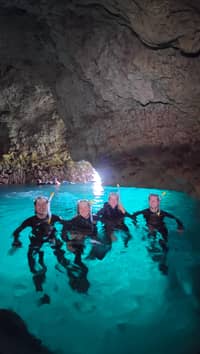
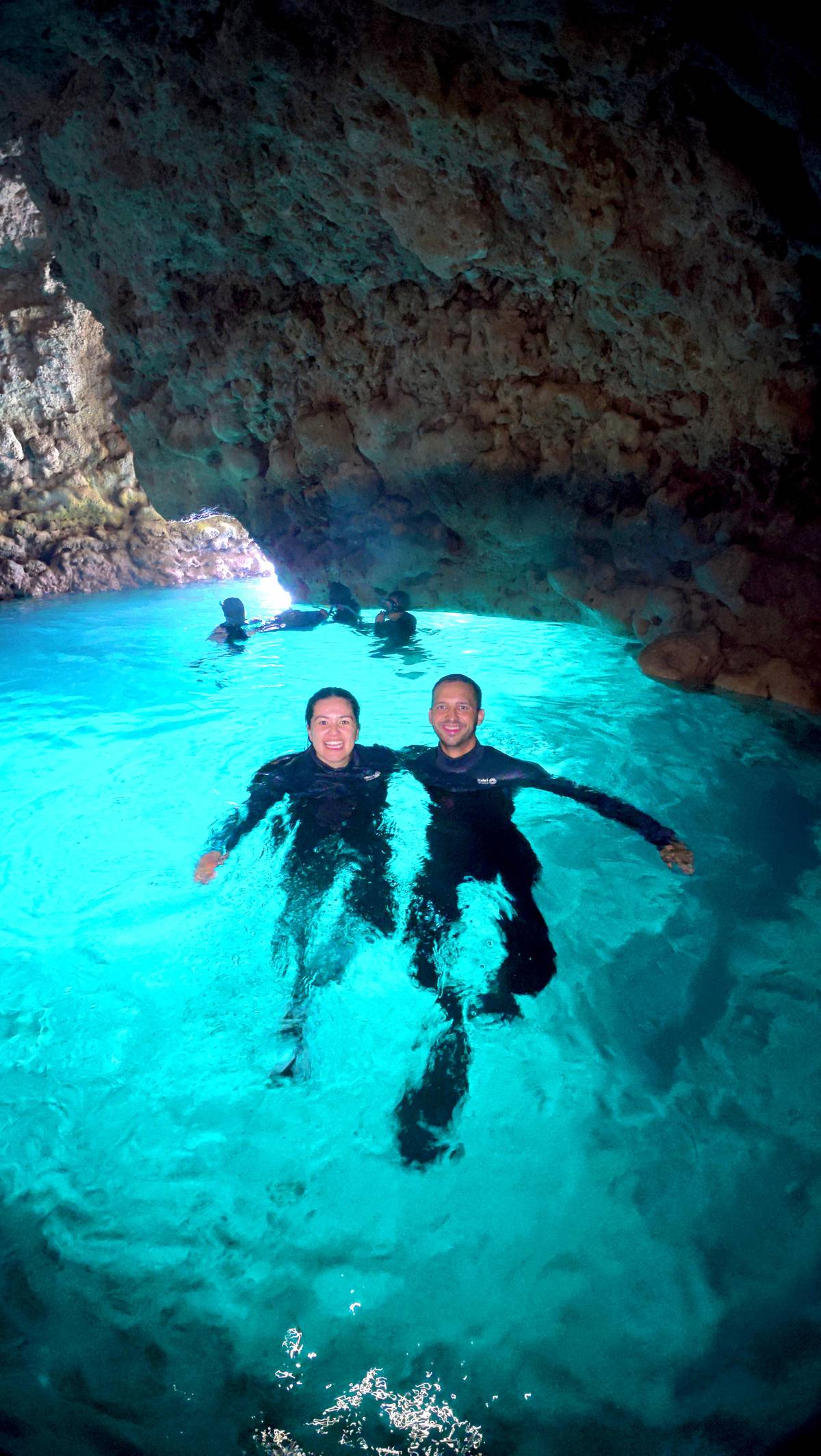
The Blue Cave can be the first snorkel of your life, and it is a beautiful place to start with the right support. This site's tour gives your group its own instructor from Unda Snorkeling Club for 1.5 hours, with insurance and full gear. It is rated 4.95 from 127 reviews and costs from $44.
Check the health rules before you book. The tour is not suitable for people with heart disease, breathing problems, ear conditions or pregnancy. Wear your swimsuit under your clothes, bring a towel and a change of clothes, and arrive 10 minutes early at the Cape Maeda car park.
If the sea is too rough for the cave, the tour may switch to a calm beach, and the operator refunds you in full if it cancels for weather. For a beginner that is good news: your first snorkel happens in water you can enjoy, not in water you have to fight.
Plan your snorkel
Your own guide in the Blue Cave
A private instructor, the gear and your photos, at Cape Maeda in Onna.


You ask,we answer.
Do I need to be a strong swimmer to snorkel?
No, but you must be calm in water. With a life jacket you float; the police advise snorkeling at the surface.12
What gear do I need?
Mask, snorkel, fins and a life jacket. That is the set Okinawa's police ask snorkelers to wear.1
How old must children be?
It depends on the trip. This site's tour starts at 6; one small-group trip at 5.
What if water gets in my snorkel?
Blow it out, then breathe slowly. Swallowing seawater through a misused snorkel causes many accidents, the police say.4
Can I snorkel alone?
No, never. The police ask everyone to go with others and keep sight of each other.3
Is Cape Maeda good for a first snorkel?
With a guide, on a calm day. The facility says it is not a swimming beach and the current can be fast.15
Can I feed the fish?
Please do not. The tourism bureau says feeding fish can damage the ecosystem.17
Sources
What this text is based on
- 1Okinawa Prefectural Police安全な海や川等でのレジャー↩
- 2Okinawa Prefectural Police安全な海や川等でのレジャー↩
- 3Okinawa Prefectural Police安全な海や川等でのレジャー↩
- 4Okinawa Prefectural Police安全な海や川等でのレジャー↩
- 5Cape Maeda (official site, Maeda Co.)真栄田岬 - 真栄田岬の公式ホームページです↩
- 6Okinawa Convention & Visitors BureauEnjoying Okinawa Safely↩
- 7↩
- 8↩
- 9Okinawa Convention & Visitors BureauOkinawa Main Island Diving↩
- 10↩
- 11Okinawa Convention & Visitors BureauSaving Okinawa’s Fragile Coral Reefs↩
- 12Okinawa Prefectural Police安全な海や川等でのレジャー↩
- 13Okinawa Convention & Visitors BureauOkinawa Main Island Diving↩
- 14Okinawa Convention & Visitors BureauOkinawa Main Island Diving↩
- 15Cape Maeda (official site, Maeda Co.)本日の海況 - 真栄田岬↩
- 16Okinawa Prefectural Police安全な海や川等でのレジャー↩
- 17Okinawa Convention & Visitors BureauEnjoying Okinawa Safely↩
- 18Okinawa Convention & Visitors BureauSaving Okinawa’s Fragile Coral Reefs↩
- 19Okinawa Convention & Visitors BureauEnjoying Okinawa Safely↩
- 20Okinawa Convention & Visitors BureauBeach Information↩
- 21Okinawa Prefectural Police安全な海や川等でのレジャー↩
Keep reading
More guides to the Blue Cave and Okinawa's reefs
 Okinawa snorkeling tours compared: the Blue Cave, boats and the Kerama day trips
 Okinawa snorkeling spots: Cape Maeda, the reefs of the main island and the islands offshore
 Blue Cave Okinawa entrance: down the cliff stairs or in by boat
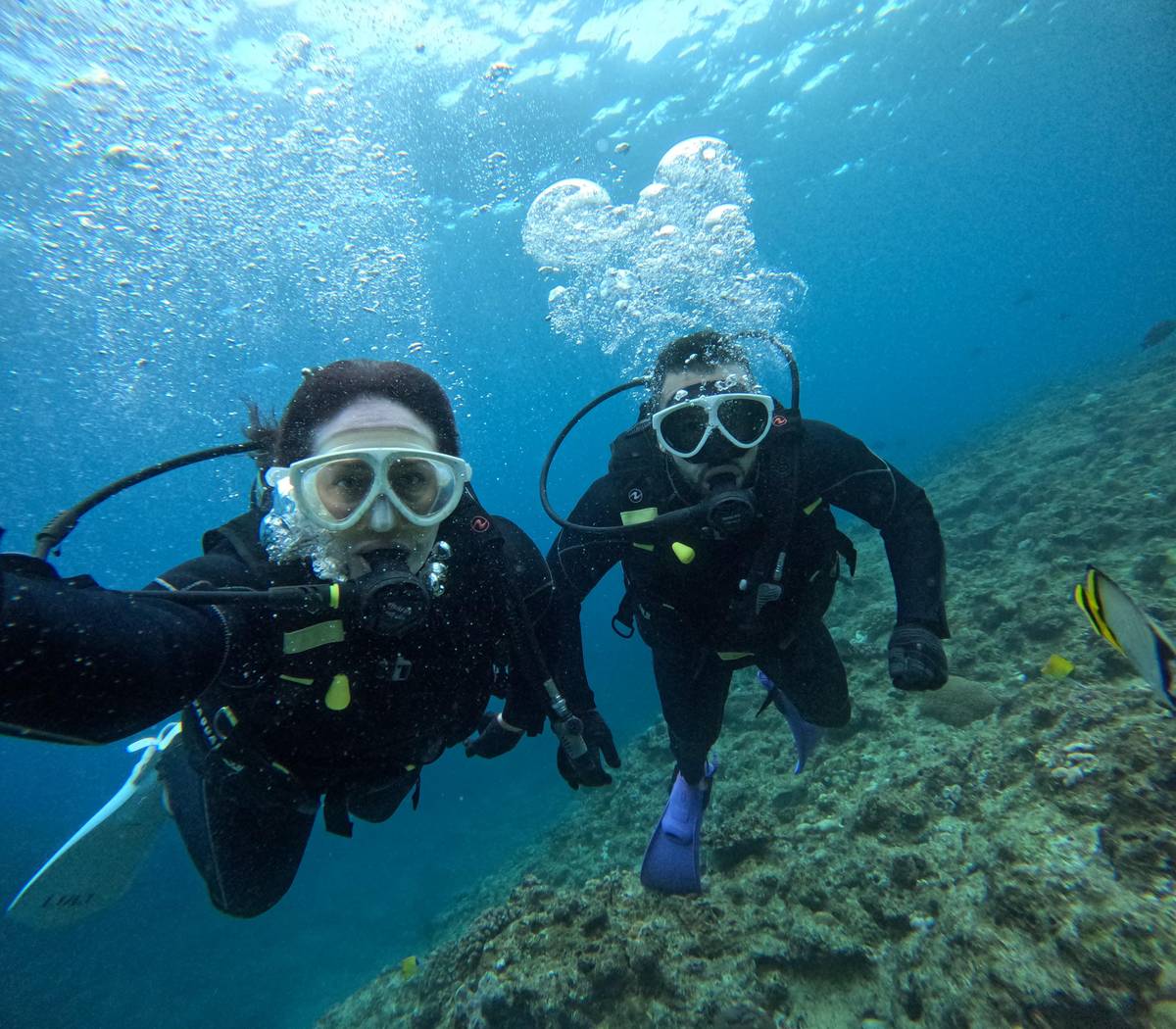 Blue Cave Okinawa diving: try dives, fun dives and freediving at Cape Maeda